
Discover the essential guide for cutting firewood with precision using chainsaws. Learn how to achieve consistent lengths, optimize efficiency, and ensure safety while processing firewood effectively.
Importance of Consistent Firewood Length
Consistent firewood length ensures efficient burning, proper fit in fireplaces or stoves, and safer handling. Uniform sizes promote even drying, reducing waste and improving heat output. Using guides or gauges helps achieve precise cuts, making the process faster and more accurate. This consistency is key for optimal performance and convenience when using firewood for heating or cooking.
Overview of Chainsaw Sizes and Their Impact on Firewood Cutting
Chainsaw sizes, such as 14-inch, 16-inch, and 18-inch, significantly impact firewood cutting efficiency. A 16-inch chainsaw, like the EGO Power+ CS1601, offers versatility for most tasks. Larger bars handle thicker logs but may be heavier, while smaller bars are ideal for portability. The right size ensures precise cuts, reducing waste and effort, making it crucial for achieving consistent firewood lengths efficiently.
Understanding Chainsaw Sizes for Firewood
Chainsaw sizes, like 14-inch, 16-inch, and 18-inch, play a crucial role in firewood cutting efficiency. The right size ensures precise cuts, reducing waste and improving overall productivity.
How Chainsaw Bar Length Affects Firewood Cutting

The chainsaw bar length significantly impacts firewood cutting efficiency. A longer bar allows cutting larger logs in one pass, saving time. However, it may reduce precision for smaller cuts. A shorter bar offers better control and accuracy, ideal for consistent firewood lengths. Choosing the right bar size ensures optimal performance and minimizes waste, making it a critical factor in achieving professional-grade firewood cutting results.
Popular Chainsaw Sizes for Firewood (14-inch, 16-inch, 18-inch)
Chainsaws with 14-inch, 16-inch, and 18-inch bars are popular for firewood cutting. The 14-inch bar is ideal for smaller logs and precise cuts, while the 16-inch bar offers versatility for most firewood needs. The 18-inch bar excels with larger logs, ensuring efficient cutting. Each size caters to different user preferences, making them suitable for various firewood cutting tasks. The EGO Power+ CS1800 16-inch chainsaw is a top choice for its performance and reliability.
Factors Influencing Firewood Length
Fireplace and stove requirements, moisture content, and efficiency of cutting and handling are key factors influencing firewood length, ensuring optimal burning performance and ease of use.
Fireplace and Stove Requirements
Fireplace and stove sizes dictate optimal firewood lengths, typically ranging from 16 to 20 inches. Using chainsaw guides ensures consistent cuts, while telescopic gauges help precision for specific appliance needs.
Moisture Content and Drying Time
Moisture content significantly impacts firewood quality and burning efficiency. Properly cut firewood with chainsaw guides ensures uniform drying, reducing moisture faster. Telescopic gauges help achieve precise lengths, promoting even drying for better combustion and less smoke.
Efficiency of Cutting and Handling
Efficient cutting and handling are crucial for productive firewood processing. Using chainsaw guides and telescopic gauges ensures precise cuts, reducing waste and saving time. Organizing logs by size before cutting streamlines the process, while maintaining sharp chainsaw blades minimizes effort and improves consistency. Proper handling techniques prevent accidents and optimize workflow, making the entire firewood preparation process more efficient and safer.

Standard Firewood Lengths for Different Needs
Standard firewood lengths include 16-inch, 20-inch, and 24-inch cuts, each suited for specific applications like fireplaces, stoves, and outdoor boilers, ensuring efficient burning and storage.
Common Firewood Lengths (16-inch, 20-inch, 24-inch)
Standard firewood lengths are 16-inch, 20-inch, and 24-inch, catering to various needs. The 16-inch length is ideal for home fireplaces and stoves, while 20-inch suits larger spaces. The 24-inch length is typically used for outdoor boilers, ensuring longer burn times. These sizes promote efficient burning, easy handling, and proper storage, making them versatile for different heating requirements and appliances.
Specialized Lengths for Specific Appliances
Certain appliances require specific firewood lengths for optimal performance. Pellet stoves often need shorter logs, around 12-14 inches, while outdoor boilers may require longer lengths, up to 30-36 inches. These specialized sizes ensure efficient combustion and consistent heat output, tailored to the appliance’s design. Using the correct length enhances performance, reduces waste, and maximizes energy efficiency for specific heating systems.
Tools and Accessories for Accurate Firewood Cutting
Enhance your firewood cutting accuracy with specialized tools. Chainsaw guides, measuring sticks, and laser gauges ensure precise cuts. These accessories streamline the process for consistent results.
Chainsaw Guides and Attachments
Chainsaw guides and attachments are essential for precise firewood cutting. These tools, available in sizes like 14-inch, 16-inch, and 18-inch, attach to your chainsaw, ensuring consistent lengths. A telescopic gauge with a magnet base allows easy adjustment from 16 to 26 inches, marking logs accurately. Laser guides also enhance precision, helping you achieve uniform cuts. These accessories reduce waste and effort, making the cutting process efficient and stress-free for optimal firewood preparation.
Measuring Tools for Consistent Lengths
Accurate measuring tools are crucial for cutting firewood to consistent lengths. A telescopic gauge with a magnet base allows easy adjustment from 16 to 26 inches, ensuring precise cuts; Laser guides also enhance accuracy, projecting a clear cutting line. Additionally, homemade measuring sticks or marked bars can be used for quick reference. These tools help achieve uniform lengths, reduce waste, and save time, making the firewood cutting process more efficient and reliable for any user.
Laser and Telescopic Gauges for Precision
Laser and telescopic gauges are invaluable for achieving precise firewood cuts. A laser guide projects a clear line, ensuring accurate measurements, while telescopic gauges adjust from 16 to 26 inches. These tools minimize errors, reduce waste, and save time. They attach easily to chainsaws, providing consistent results. Whether cutting small logs or larger timber, these gauges ensure uniform lengths, making them essential for efficient and professional firewood processing.
Safety Considerations for Cutting Firewood
Always wear protective gear, including helmets, gloves, and safety glasses. Ensure a clean workspace and maintain sharp chainsaws to prevent accidents. Stay focused and follow safety guidelines.
Proper Safety Gear for Chainsaw Use
Always wear a helmet with a face shield, safety glasses, and ear protection. Use gloves for grip and chaps or chainsaw-resistant pants. Steel-toe boots and long sleeves protect against flying debris. Ensure proper fit and maintain gear in good condition. Adhering to safety guidelines reduces injury risks and ensures safe firewood cutting. Never operate a chainsaw without essential protective equipment.
Safe Cutting Practices to Avoid Accidents
Plan cuts to avoid binding the chainsaw. Use the saw’s full capacity to minimize kickback risks. Maintain a firm grip and stance for control. Keep the work area clear of debris and bystanders. Cut on a stable surface and avoid overreaching. Regularly inspect the chainsaw for sharpness and proper tension. Follow manufacturer guidelines for safe operation. Always stay alert and focused during the cutting process to prevent accidents and ensure precise, safe firewood cutting.
Measuring and Marking Firewood
Use a measuring stick or adjustable chainsaw attachment to mark consistent lengths. Telescopic gauges or laser guides ensure precision, helping you achieve uniform firewood cuts effortlessly.
Using a Measuring Stick or Guide
A measuring stick or guide is essential for consistent firewood lengths. Attach a telescopic gauge or adjustable chainsaw guide to mark precise cuts. Homemade sticks, costing under $10, also work well. These tools ensure accuracy, reducing waste and effort. Use a laser guide for visibility, aligning the chainsaw bar with the desired length. Magnetic bases on gauges secure them to logs, making the process efficient and straightforward for achieving uniform firewood sizes.
Marking Logs for Consistent Cuts
Accurate marking ensures uniform firewood lengths. Use a measuring stick or guide to mark cut points on logs. Telescopic gauges or adjustable chainsaw attachments simplify this process. For precision, align the chainsaw bar with pre-marked points. Magnetic bases on tools secure them to logs, preventing movement during cutting. This method minimizes waste and ensures consistent results, making the cutting process efficient and stress-free for achieving perfectly sized firewood every time.
Techniques for Cutting Firewood to Length
Master straight cuts for consistency and angled cuts for specific needs. Use the chainsaw’s full capacity to ensure efficient, precise cuts, optimizing log usage and minimizing waste.
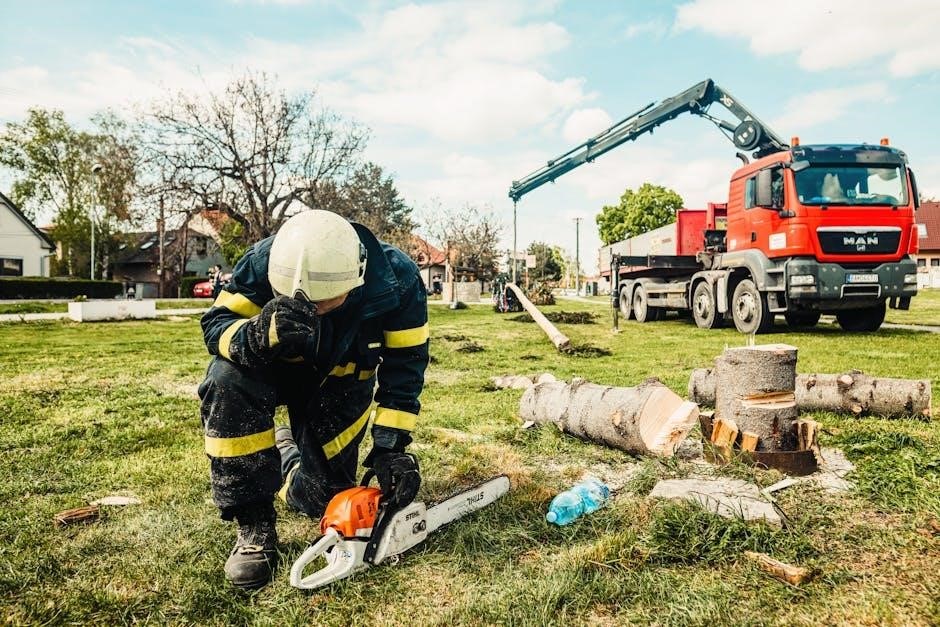
Straight Cuts vs. Angled Cuts
Straight cuts are ideal for consistent firewood lengths, ensuring even burning and efficient stacking. Angled cuts can accommodate specific fireplace or stove requirements. Use guides or lasers for precision, and consider log size and grain direction to avoid splintering. Straight cuts are faster, while angled cuts offer versatility for unique needs, ensuring optimal use of firewood and minimizing waste during processing.
Using the Chainsaw’s Full Capacity
Maximize your chainsaw’s efficiency by using its full bar length for cutting firewood. Ensure the chain is sharp and properly tensioned for clean, precise cuts. Utilize laser or telescopic gauges to maintain consistent lengths, reducing waste and effort. This approach ensures optimal performance, helping you process logs quickly while maintaining accuracy and safety, making the most of your chainsaw’s capabilities for firewood cutting tasks.

Maintenance of Chainsaw for Optimal Performance
Regularly sharpen the chain and adjust tension for precise cuts. Proper maintenance ensures efficient firewood cutting and extends the chainsaw’s lifespan, improving overall performance and safety.
Sharpening the Chain for Clean Cuts
Sharpening the chainsaw chain is crucial for clean, precise cuts. Use a file or grinder to maintain the correct angle and depth. A dull chain increases cutting time and wear. Regular sharpening ensures consistent firewood lengths and reduces the risk of kickback. Properly sharpened chains also improve efficiency, making the cutting process safer and more effective. Always follow the manufacturer’s guidelines for optimal results and extended chain life.
Adjusting Chain Tension for Accuracy
Proper chain tension is vital for accurate firewood cutting. A loose chain can cause uneven cuts, while overtightening may damage the saw. Adjust the tension to ensure the chain runs smoothly without sagging. Correct tension ensures straight, consistent cuts and prevents wear on the bar and chain. Always check and adjust the tension before cutting to maintain precision and safety. Properly tensioned chains also enhance the effectiveness of guides and gauges for precise measurements.
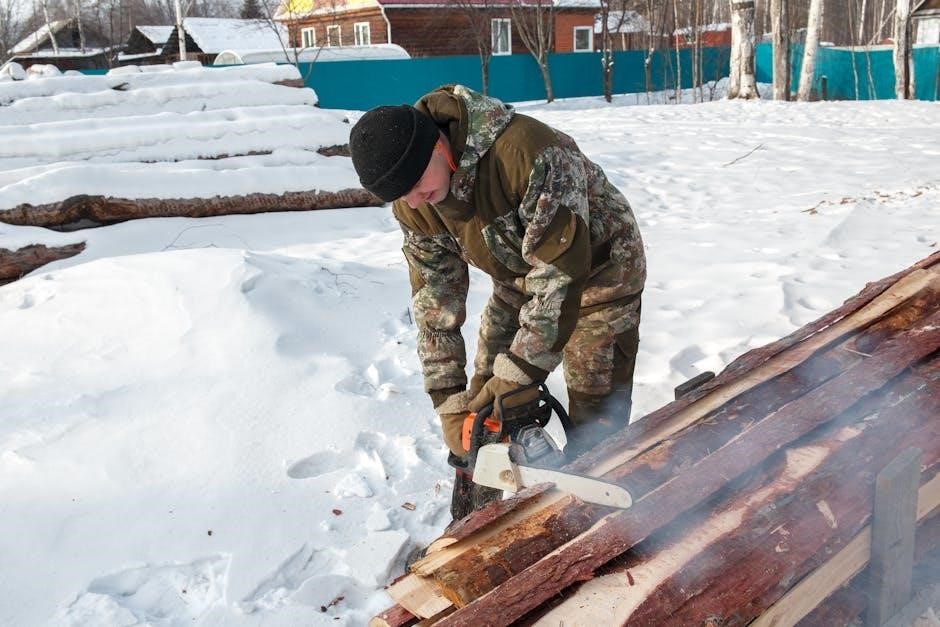
Troubleshooting Common Issues
Address uneven cuts by checking chain sharpness and tension. Fix chain bind by ensuring proper bar alignment and using correct cutting techniques. Maintain tool efficiency for consistent results.
Dealing with Uneven Cuts
Uneven cuts often result from a dull chain or improper tension. Sharpen the chain regularly and ensure it’s tightly secured. Use a chainsaw guide or telescopic gauge for precise measurements. Maintain consistent pressure and alignment during cuts. Regularly inspect and clean the bar to prevent debris buildup. For accurate results, consider using laser gauges or adjustable measuring tools. Proper maintenance and technique will help achieve uniform firewood lengths efficiently.
Addressing Chain Bind or Kickback
Chain bind or kickback can occur due to improper technique or dull chains. Always use a sharp chain and maintain proper tension. Ensure the chainsaw guide is securely attached to prevent accidents. Keep a firm stance and avoid cutting too aggressively. Regularly inspect the chain for damage and sharpen it as needed. Using a laser or telescopic gauge can help maintain control and reduce kickback risks during firewood cutting tasks.

Environmental Considerations
Adopt sustainable firewood cutting practices to minimize waste and protect ecosystems. Use chainsaws efficiently to reduce fuel consumption and emissions, promoting eco-friendly firewood processing methods.
Sustainable Firewood Cutting Practices
Implement eco-friendly methods by cutting firewood responsibly. Use chainsaws with sharp chains to minimize waste and reduce emissions. Opt for firewood lengths that fit your needs, avoiding overcutting. Prioritize cutting dead or diseased trees to maintain forest health. Properly store firewood to prevent decay, ensuring efficient use. Adopt these practices to promote sustainability while meeting your firewood requirements effectively.
Minimizing Waste During Cutting
Minimize waste by using chainsaw guides and telescopic gauges for precise cuts. Measure logs accurately to avoid overcutting, ensuring firewood lengths match your needs. Plan cuts strategically to utilize as much of the log as possible. Store scraps for kindling or smaller fires, reducing overall waste. Efficient cutting practices not only save resources but also promote sustainable firewood management, helping to preserve the environment while meeting your energy needs effectively.

Cost Implications of Different Firewood Lengths
Different firewood lengths impact costs due to varying requirements and waste. Using guides and gauges ensures precise cuts, reducing waste and saving money. Standardized lengths optimize resources, minimizing excess material and lowering expenses for both producers and consumers.
Economic Benefits of Standardized Lengths
Standardized firewood lengths offer significant economic benefits by reducing waste and improving efficiency. Using chainsaw guides and telescopic gauges ensures consistent cuts, minimizing scraps and saving materials. This consistency also enhances market value, as uniform lengths are often preferred by buyers. Additionally, precise cutting tools reduce labor costs and time, making the process more cost-effective. By optimizing resources, standardized lengths help maximize profitability for both producers and consumers, ensuring a more sustainable and economical firewood supply chain.
Reducing Waste and Saving Money
Standardizing firewood lengths significantly reduces waste by ensuring precise cuts with tools like chainsaw guides and telescopic gauges. This minimizes uneven pieces and scraps, saving valuable material. By optimizing log usage, you avoid unnecessary costs from excess cutting. Additionally, consistent lengths streamline processing, reducing labor time and energy. This approach not only conserves resources but also enhances profitability, making firewood production more efficient and cost-effective for both producers and consumers.
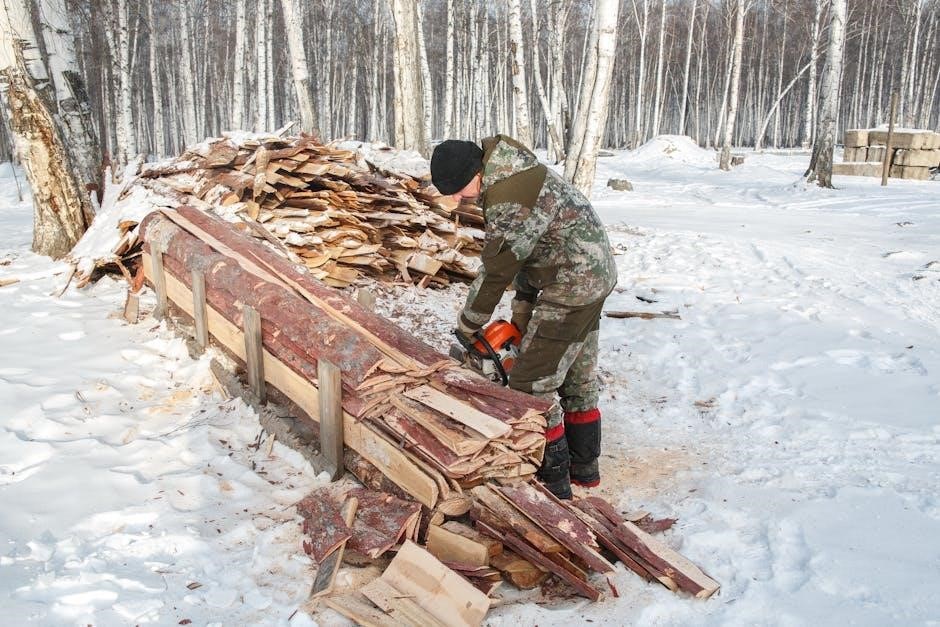
Time-Saving Tips for Firewood Cutting
Use chainsaw guides and telescopic gauges for precise, efficient cuts. Organize logs by size to minimize setup time, ensuring quick processing and consistent results with minimal effort.
Efficient Cutting Techniques
Optimize your firewood cutting process by using chainsaw guides and telescopic gauges for precise, consistent lengths. Organize logs by size to minimize setup time and ensure quick processing.
Make straight, clean cuts using the full capacity of your chainsaw bar. Maintain sharp chains for efficient cutting and reduce waste by planning cuts carefully before starting.
Organizing Logs for Quick Processing
Sort logs by size and length before cutting to streamline the process. Use a measuring stick or guide to ensure consistent lengths, reducing the need for repeated adjustments.
Place logs in a centralized area for easy access, minimizing downtime. Cut multiple logs at once and align them neatly for efficient handling. Proper organization enhances safety and speed, making firewood processing more manageable and efficient.
Case Studies and Examples
Explore real-world applications of firewood length guides, showcasing success stories from chainsaw users who achieved consistent cuts and improved efficiency in their firewood processing tasks.
Real-World Applications of Firewood Length Guides
Firewood length guides are widely used by homeowners and professionals to ensure consistent cuts. They attach to chainsaws, allowing precise measurements, such as 16-inch lengths, for seamless fireplace and stove fitting. These tools enhance efficiency, reduce waste, and improve safety. Many users report significant time savings and better-quality firewood. Guides like telescopic gauges and laser markers are particularly popular for their accuracy and ease of use, making them indispensable for both small and large-scale firewood production.
Success Stories from Chainsaw Users
Many chainsaw users have achieved consistent firewood lengths using guides and attachments. A homeowner in Maine reported saving hours weekly by using a 16-inch guide, ensuring perfect fits for their fireplace. Another user in Colorado highlighted reduced waste and faster cutting with a telescopic gauge. These tools have proven indispensable, transforming firewood cutting into an efficient, precise process for both professionals and hobbyists alike, ensuring high-quality results every time.

Frequently Asked Questions
What chainsaw size is best for firewood? How do I ensure consistent lengths? Users often ask about tools like guides or gauges for precise cutting, optimizing their firewood process.
Common Queries About Firewood Length
Users often ask about the best chainsaw size for firewood, how to maintain consistent lengths, and the ideal log sizes for fireplaces or stoves. Many inquire about tools like guides or gauges to ensure precision cutting. Additionally, questions arise about standardized lengths, such as 16, 20, or 24 inches, and how these measurements impact efficiency and safety during the firewood cutting process.
Expert Answers and Solutions
Experts recommend using a 16-inch chainsaw for most firewood tasks, ensuring consistent lengths with guides or gauges. For precision, attach telescopic or laser tools to your chainsaw. Standard lengths like 16, 20, or 24 inches are ideal for fireplaces and stoves. Maintain sharp chains for clean cuts and adjust tension regularly. Always measure logs before cutting to avoid waste and ensure safety. These tips optimize efficiency and provide professional results for firewood preparation.
Achieving consistent firewood lengths is key for optimal burning. Use the right chainsaw size, guides, and techniques for efficient, safe, and professional results every time.
Consistent firewood lengths ensure efficient burning and safety. Chainsaw size, bar length, and guides are crucial for precise cuts. Consider fireplace requirements, moisture content, and drying time. Use measuring tools and laser gauges for accuracy. Maintain sharp chains and proper tension for clean cuts. Follow safety practices and efficient techniques to minimize waste and save time. Regular maintenance and troubleshooting common issues ensure optimal performance. Sustainable practices and cost-effective methods enhance overall firewood cutting efficiency.
Final Tips for Effective Firewood Cutting
Use chainsaw guides and measuring tools for consistent lengths. Sharpen chains regularly and adjust tension for precise cuts. Wear safety gear and follow proper techniques to avoid accidents. Organize logs efficiently to save time. Maintain equipment for optimal performance and longevity. Practice sustainable cutting to minimize waste and ensure eco-friendly firewood production. By following these tips, you’ll achieve professional-grade results and enjoy a seamless firewood cutting experience every time.