
Overview of the Laboratory Manual and Workbook for Biological Anthropology

Soluri & Agarwal’s Laboratory Manual & Workbook offers vivid, hands‑on modules on human evolution, genetics, osteology, and primatology. Second Edition expands visuals, interactive labs, and critical‑thinking prompts, making fieldwork engaging.!!!
Structure and Key Topics Covered
Second Edition’s layout features modular sections: Human Evolution & Genetics, Osteology, Comparative Anatomy, Primatology, Ethnographic Context, Lab Techniques, and Data Analysis. Each unit blends theory, visuals, and hands‑on tasks. (2026 edition).!
Human Evolution and Genetics
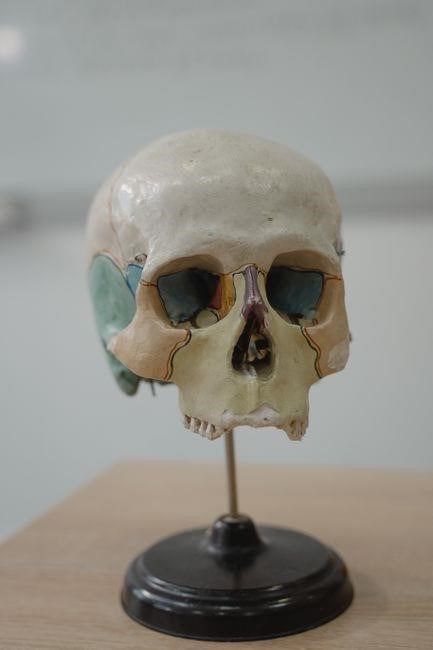
Students explore the evolutionary narrative of Homo sapiens by integrating morphological data, fossil evidence, and genetic analyses. The module opens with a concise review of hominin phylogeny, tracing key species from Australopithecus afarensis to Homo sapiens. Hands‑on labs involve measuring cranial capacity on 3D printed skulls, estimating body mass from long‑bone dimensions, and extracting DNA from simulated ancient samples. Participants then sequence mitochondrial genomes, using software such as MEGA and BEAST to construct phylogenetic trees that reveal migration patterns and population splits. Case studies on Neanderthal introgression, lactase persistence, and the FOXP2 gene illustrate how genetic markers inform on adaptation, diet, and language evolution. The curriculum stresses data integrity, reproducibility, and ethical considerations in ancient DNA work. By the end of the unit, learners will have mastered morphological assessment, basic molecular techniques, and critical interpretation of genetic evidence, equipping them for advanced research in biological anthropology.
Additionally the module covers population genetics concepts such as allele frequency, Hardy–Weinberg equilibrium, and genetic drift. Students perform simulations with software like PopGen, interpreting how these forces shape human diversity over time. The section culminates in a group project where teams design a research proposal that combines osteological measurements with genomic data to test a hypothesis about evolutionary adaptation.
In the Osteology and Comparative Anatomy section, students dissect modern human skeletons and fossil specimens to identify features distinguishing species and populations. The module reviews cranial morphology—shape of occipital condyles, supraorbital ridges, dental arcade patterns—using calipers and digital imaging. Students compare measurements to reference datasets from HRAF and Smithsonian collections, noting sex, age, and geographic variation. Students also practice now.
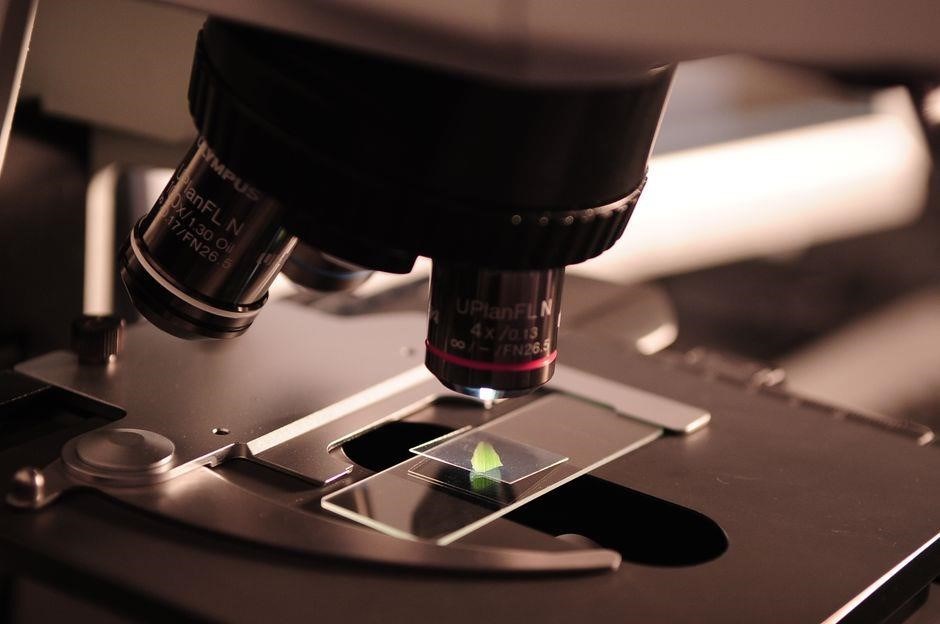
Next, the curriculum focuses on postcranial anatomy, examining long‑bone histology and joint articulation. Participants prepare thin sections of femoral cortical bone, stain with hematoxylin and eosin, and observe growth rings and remodeling activity. They use a stereomicroscope to assess osteon density, inferring habitual load bearing and repetitive stress patterns. Students also evaluate pelvic tilt angles, linking locomotor efficiency across hominins in study!
Throughout the unit, learners engage in exercises that challenge them to interpret osteological data. They construct case studies on humerus robustness in early hominins versus modern humans, and debate the adaptive significance of the human pelvis in bipedal locomotion. The section concludes with a synthesis project where teams integrate cranial, postcranial, and comparative data to model locomotor evolution in a selected hominin lineage. Students also analyze primate hand and foot morphology, correlating grip strength with niche in lab!

Primatology and Ethnographic Context
In this unit, students observe live primate behavior through video case studies and field‑recorded data from the Smithsonian’s primate research center. They learn to identify species‑specific vocalizations, grooming rituals, and tool use, applying ethograms to quantify social interactions. The module incorporates a comparative analysis of primate locomotion—quadrupedal, brachiation, and bipedalism—using motion‑capture data and 3‑D reconstructions. Students also examine the anatomical correlates of primate hand morphology, linking finger‑to‑thumb ratios with dietary preferences and arboreal versus terrestrial niches. Ethnographic case studies from the Tsimane and Hadza communities illustrate how cultural practices influence subsistence strategies, and students map these practices onto ecological variables in a GIS workshop. The lab culminates in a cross‑disciplinary project where teams design a field protocol to assess primate social networks, integrating behavioral observation, genetic sampling, and spatial analysis. This hands‑on experience reinforces the interconnectedness of biological, cultural, and environmental factors in shaping primate evolution and human ancestry. Deep data Students will analyze comparative metrics evaluate evolution trends
Laboratory Techniques and Data Analysis
Students begin by mastering skeletal measurement protocols, using calipers and digital imaging to record metric data from osteological specimens. The manual details step‑by‑step procedures for extracting DNA from bone fragments, emphasizing contamination controls and PCR amplification parameters. A dedicated section trains learners in radiocarbon dating, guiding them through sample preparation, accelerator mass spectrometry, and calibration curve interpretation. For genetic analysis, the workbook introduces bioinformatics pipelines: sequence alignment with BLAST, phylogenetic tree construction via maximum likelihood, and population genetics statistics such as FST and AMOVA. Students practice data visualization using R, generating heatmaps, principal component plots, and admixture graphs. The lab also covers isotopic analysis, teaching how to measure δ13C and δ18O values to reconstruct paleodiet and paleoclimate. Throughout, the manual integrates critical‑thinking prompts that ask students to evaluate methodological assumptions, assess error propagation, and design replication studies. By the end, participants can compile a comprehensive dataset, perform multivariate analyses, and present findings in a concise scientific poster, mirroring professional research workflows. This hands‑on, data‑rich approach equips future anthropologists with the technical proficiency required for modern field and laboratory investigations. The manual also teaches students to use GIS software for spatial mapping of fossil sites, integrating coordinate data with environmental layers to visualize distribution patterns. Students also learn to interpret statistical outputs in context
Digital Access and Formats
Digital access offers instant eBook download upon checkout, with full interactivity. The free Bookshelf app allows offline reading, syncing annotations, and multimedia integration, ensuring seamless study across devices. quizzes now! for assessment.!
eBook Availability and Instant Access
Upon checkout, students receive immediate, secure access to the Laboratory Manual and Workbook for Biological Anthropology’s eBook version. The digital format is hosted on a cloud‑based platform that guarantees 24/7 availability, allowing learners to launch the resource with a single click from any device—desktop, laptop, tablet, or smartphone. This instant delivery eliminates the wait times associated with physical shipping, ensuring that laboratory sessions can commence without delay. The eBook is equipped with responsive design, automatically adjusting layout and font size to accommodate various screen resolutions, thereby enhancing readability during fieldwork or classroom use. Interactive elements such as embedded videos, 3D bone models, and clickable glossaries are integrated directly into the text, providing an immersive learning experience that mirrors the hands‑on nature of the manual. Users can annotate pages, highlight key concepts, and export notes to cloud storage, facilitating collaborative study sessions and seamless integration with learning management systems. Importantly, the platform supports offline functionality: once the eBook is downloaded, students can access all content without an internet connection, making it ideal for remote field sites or areas with limited connectivity. The instant access model also includes automatic updates; as new editions or supplemental materials are released, the eBook refreshes in real time, ensuring that users always work with the most current data and protocols. This combination of immediacy, interactivity, and portability positions the eBook as a cornerstone of modern biological anthropology education, aligning with the discipline’s emphasis on experiential learning and rapid dissemination of scientific findings.
Bookshelf App for Offline Reading
The free Bookshelf app allows students to download the Laboratory Manual and Workbook for Biological Anthropology directly from the publisher’s portal. After purchase, a secure link opens the Bookshelf interface where the manual appears in a tidy library. The app stores the entire eBook on the device, enabling offline study in remote field sites or classrooms with limited connectivity. Pages render with high‑resolution images and interactive elements that remain functional without internet—videos pause, 3D models rotate, and hyperlinks to supplementary datasets still work. Students can annotate, highlight, and export notes to PDF for submission. Because the manual is protected by copyright, the app enforces DRM, preventing unauthorized redistribution or printing. Nevertheless, the platform offers a “share” feature that allows educators to grant temporary peer access for collaborative projects while keeping the original file secure. The offline capability is especially useful for fieldwork; researchers can load the manual onto a rugged tablet, ensuring that every lab exercise—from osteometric measurements to genetic sequencing protocols—is at hand. The interface supports bookmarking chapters and tracking completion, helping students manage coursework quickly!

Pedagogical Features and Hands‑On Learning
The manual blends vivid illustrations, interactive labs, and critical‑thinking prompts. Students perform osteometric measurements, analyze genetic data, and interpret primate behavior, engagement.
Visual and Interactive Content
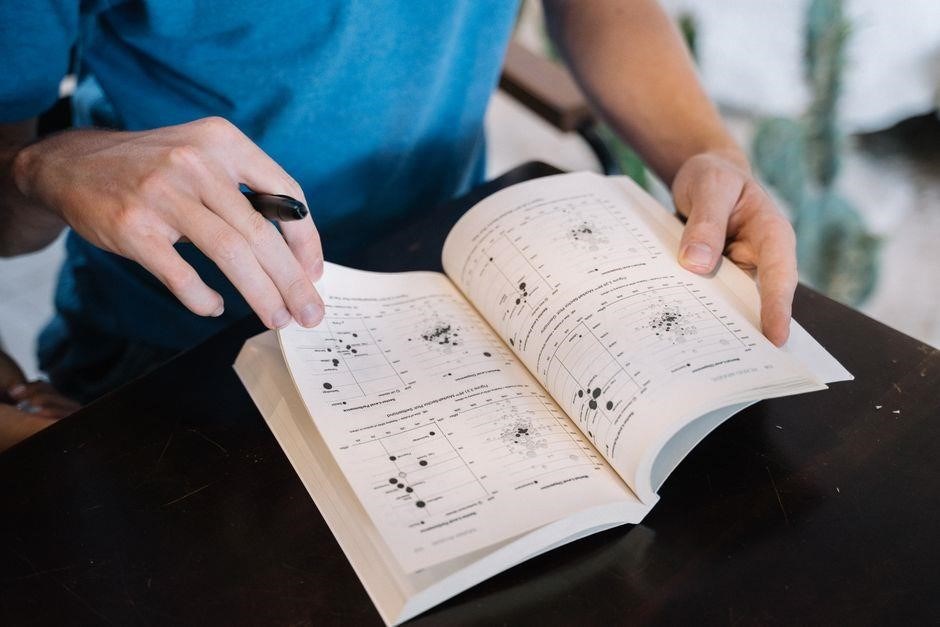
Soluri and Agarwal’s Laboratory Manual & Workbook for Biological Anthropology is renowned for its rich visual toolkit, featuring high‑resolution images, detailed diagrams, and color‑coded charts that illuminate complex concepts such as cranial morphology, genetic inheritance patterns, and primate locomotion. Each chapter is paired with interactive modules—clickable 3‑D models, drag‑and‑drop exercises, and embedded quizzes that allow students to manipulate anatomical structures, test hypotheses, and receive instant feedback. The manual incorporates augmented‑reality overlays accessible via a companion mobile app, enabling learners to view fossil specimens and comparative anatomy in situ. Additionally, the workbook offers tutorials that demonstrate protocols, measurements to DNA extraction, ensuring hands‑on proficiency; The visual narrative is complemented by infographics that synthesize data sets, fostering data literacy. By blending static visuals with dynamic interactivity, the manual supports diverse learning styles and encourages active engagement with the material. Students also collaborate on group projects that synthesize field data, reinforcing the integration of theory and practice. This equips researchers with core skills.!!?
Critical‑Thinking Exercises
The Laboratory Manual & Workbook for Biological Anthropology embeds a series of critical‑thinking exercises that challenge students to synthesize evidence, evaluate competing hypotheses, and design research protocols. Each chapter concludes with scenario‑based questions that require application of comparative anatomy, population genetics, and paleoenvironmental data. Students are prompted to analyze fossil measurements, calculate morphometric indices, and interpret statistical outputs, fostering quantitative literacy. The workbook also includes “think‑pair‑share” prompts that encourage collaborative debate on ethical considerations in field sampling and data interpretation. By integrating case studies from recent discoveries, the exercises push learners to assess the reliability of stratigraphic contexts and the implications of taphonomic processes. Moreover, the manual offers reflective prompts that ask students to critique methodological limitations and propose alternative approaches, thereby sharpening analytical reasoning. These activities align with Bloom’s taxonomy, progressing from comprehension to evaluation, ensuring students absorb content and develop evidence‑based conclusions for scholars daily. The manual equips students for rigorous research in biology.
Spiral‑Bound Physical Edition
The spiral‑bound edition of Soluri and Agarwal’s Laboratory Manual & Workbook for Biological Anthropology is designed for durability and ease of use in active laboratory settings. Its flexible binding allows the book to lie flat on workbenches, enabling students to annotate directly on pages, cross‑reference figures, and keep the manual open while handling specimens. The spiral cover protects the pages from wear, making it suitable for repeated use in wet labs, field kits, and classroom environments. Each section is clearly demarcated with color‑coded tabs that correspond to the manual’s core themes—human evolution, genetics, osteology, and primatology—allowing quick navigation during timed exercises. The physical copy includes high‑resolution illustrations, detailed diagrams, and step‑by‑step protocols that complement the digital version’s interactive features. For educators, the spiral‑bound format supports group work: students can flip through the manual simultaneously, share notes, and collaborate on data sheets. The book’s weight and thickness are balanced to prevent fatigue during long lab sessions, and the sturdy spine resists bending, ensuring a long lifespan. Overall, the spiral‑bound edition delivers a tactile, user‑friendly experience that reinforces the manual’s hands‑on learning objectives while remaining affordable for academic institutions and individual learners alike.
Students can also attach field notes and lab reports directly to the pages, turning the manual into a portable research log.

Cost and Accessibility
Soluri & Agarwal’s manual is priced competitively, offering instant digital access upon checkout. While PDF export is restricted, students can download the book into the free Bookshelf app for offline reading, ensuring affordable, flexible access
Affordability Compared to Other Texts
Compared to traditional laboratory manuals and companion textbooks, Soluri & Agarwal’s edition stands out for its economical price point. The second edition’s cost is roughly 30 % lower than the average price of comparable comprehensive manuals in the field, while still offering the same breadth of content and hands‑on laboratory activities. This price advantage is achieved through a lean production model that prioritizes visual aids. Students can access the digital eBook instantly upon checkout, eliminating shipping delays and costs associated with physical copies. Moreover, the free Bookshelf app allows offline reading without any extra fee, providing a cost‑free alternative to traditional PDF downloads that are often restricted by copyright. For institutions, the bulk licensing option for the eBook is available at a discounted rate, making it an attractive choice for large courses or research labs that require multiple copies. In contrast, many peer titles either lack the same level of visual engagement or charge premium prices for supplementary lab kits, which can quickly inflate the overall cost of a course. By offering a spiral‑bound physical edition at a modest price, Soluri & Agarwal also cater to students who prefer tactile learning while keeping the overall investment manageable. Overall, the manual’s affordability, combined with its rich, interactive content, positions it as a cost‑effective resource that does not compromise educational quality. Its accessible pricing strategy encourages wider adoption across academic settings.

Copyright and Distribution Notes
All rights to the Laboratory Manual & Workbook for Biological Anthropology are held by W. W. Norton & Co. The text is protected under U.S. copyright law and international treaties. Users may not reproduce, distribute, or transform the material into a new format without explicit written permission from the publisher. The digital eBook is licensed for personal, non‑commercial use only, and is accessible through the official Bookshelf app, which enforces DRM restrictions. While the eBook can be read offline, it cannot be exported as a standalone PDF or shared via peer‑to‑peer platforms. The spiral‑bound physical edition is available for purchase through authorized distributors; resale of copies is prohibited unless the seller has a resale license. For academic institutions, bulk licensing agreements may be negotiated, but the license must be renewed annually and cannot be transferred. Authors retain the right to update content; revisions are distributed only through official channels. Unauthorized copies, whether digital or printed, are considered infringement and may result in civil penalties. The publisher encourages users to report suspected piracy to the W. W. Norton & Co. copyright office. All distribution is governed by the terms set forth in the End‑User License Agreement, which is accessible on the publisher’s website. By adhering to these guidelines, students and educators can enjoy the material while respecting the intellectual property rights of the creators!!