
Simplex 4100ES Manual: A Comprehensive Overview (Updated 03/31/2026)
Today’s date is 03/31/2026 13:00:40. This manual details the Simplex 4100ES FACP‚ covering monitoring‚ control‚ and responses to fire conditions.
The Simplex 4100ES Fire Alarm Control Panel (FACP) represents a robust and reliable life safety solution‚ designed for a wide range of building applications. This system is engineered to provide comprehensive fire detection and notification‚ ensuring swift and effective responses to potential emergencies. At its core‚ the 4100ES performs three crucial functions: diligently monitoring initiating devices like smoke and heat detectors‚ actively controlling auxiliary building equipment for enhanced safety protocols‚ and providing clear‚ concise alarm signaling.
This system’s architecture allows for scalability and customization‚ adapting to the unique needs of each facility. The 4100ES integrates seamlessly with various fire alarm components‚ offering a unified and intelligent fire protection network. Understanding its capabilities is paramount for effective operation and maintenance‚ as detailed within this manual (Rev. 4).
Purpose of the Operators Manual
This Operators Manual (Revision 4) serves as a critical resource for personnel responsible for the operation and maintenance of the Simplex 4100ES Fire Alarm System. Its primary purpose is to provide clear‚ concise instructions on understanding system functions‚ responding to alarm conditions‚ and performing routine maintenance tasks. The manual details how the system monitors initiating devices – smoke detectors‚ heat detectors‚ and pull stations – and controls auxiliary building equipment like fan dampers and relays.
Users will learn to interpret alphanumeric display indicators‚ LED signals (including the flashing Fire Alarm LED)‚ and tone-alert functionality. This guide ensures personnel are equipped to effectively manage the system‚ minimizing response times and maximizing safety. Proper utilization of this manual is essential for maintaining a fully functional and reliable fire alarm system.
System Functions and Components

The Simplex 4100ES FACP monitors initiating points and controls building equipment. It provides comprehensive fire detection and notification capabilities for facilities.
Core Functions of the 4100ES FACP
The Simplex 4100ES Fire Alarm Control Panel (FACP) fundamentally operates with three core functions‚ ensuring comprehensive fire safety. Firstly‚ it diligently monitors initiating devices – encompassing smoke detectors‚ heat detectors‚ and manual pull stations – constantly scanning for signs of fire or emergency activation.
Secondly‚ the 4100ES expertly controls auxiliary building equipment. This includes vital systems like fan dampers‚ relays‚ and security devices‚ allowing for coordinated responses during an alarm event. This control extends to potentially shutting down HVAC systems to prevent smoke spread.
Finally‚ the FACP provides clear and concise alarm annunciation. This is achieved through the alphanumeric display‚ flashing LEDs‚ and audible tone-alert signals‚ ensuring rapid notification of building occupants and emergency responders.
Monitoring Initiating Devices
The Simplex 4100ES FACP continuously monitors a variety of initiating devices for fire detection. These devices include smoke detectors‚ designed to sense airborne particles indicative of combustion‚ and heat detectors‚ which activate upon reaching a predetermined temperature threshold. Crucially‚ manual pull stations allow for immediate alarm activation by building occupants.
The system’s monitoring capabilities extend beyond simple activation; it also assesses the integrity of the wiring and devices themselves‚ identifying potential faults or tampers. Upon detection of a signal from any initiating device‚ the 4100ES immediately initiates the programmed alarm sequence‚ ensuring a swift and appropriate response. Regular testing of these devices is vital for system reliability.
Controlling Auxiliary Building Equipment
The Simplex 4100ES FACP doesn’t just detect and announce fires; it actively controls auxiliary building equipment to mitigate fire spread and enhance safety. This includes the operation of fan dampers‚ automatically shutting down HVAC systems to prevent smoke circulation. Furthermore‚ the system can activate relays‚ triggering external devices like door unlock mechanisms or elevator recall systems.
Integration with security devices is also possible‚ allowing for coordinated responses between fire and security systems. These control functions are programmable‚ enabling customization to suit the specific needs of each building. Proper configuration ensures that auxiliary equipment operates in a pre-defined sequence‚ maximizing effectiveness during an emergency event and minimizing potential hazards.
Understanding the Control Panel Interface
The 4100ES interface features alphanumeric displays‚ LED indicators‚ and a tone-alert (piezo buzzer) to communicate system status and alarm conditions effectively.
Alphanumeric Display Indicators
The Simplex 4100ES utilizes a robust alphanumeric display to provide detailed information regarding system status and events. This display is central to understanding the panel’s operation‚ presenting clear text messages instead of relying solely on coded LED patterns. During normal operation‚ the display typically shows the current time and date‚ alongside system status indicators like “Normal” or “Standby.”
Upon detecting an initiating device activation‚ the display immediately presents a descriptive message pinpointing the location and type of alarm – for example‚ “Smoke Detector – Zone 1” or “Pull Station – Lobby.” It also indicates the specific trouble conditions‚ such as “Low Battery” or “Communication Failure.” The display’s clarity is crucial for quick and accurate response during emergencies‚ enabling personnel to efficiently assess and address the situation.
LED Indicators and Their Meanings
The Simplex 4100ES control panel employs a series of LED indicators to convey critical system information at a glance. A Fire Alarm LED‚ when flashing‚ signifies an active alarm condition‚ immediately drawing attention to the emergency. Simultaneously‚ the Tone-alert (piezo buzzer) will pulse‚ providing an audible alarm notification. LEDs on connected Remote Annunciators may also illuminate‚ extending visibility of the alarm to different locations within the building.
Beyond the fire alarm indication‚ other LEDs signal system status. Steady LEDs indicate normal operation‚ while flashing LEDs often denote trouble conditions requiring attention. Understanding these visual cues is paramount for efficient system monitoring and prompt response to any detected issues‚ ensuring the continued reliability of the fire protection system.
Fire Alarm LED – Flashing Indication
A flashing Fire Alarm LED on the Simplex 4100ES panel is the primary visual indicator of an active fire alarm. This immediate signal demands immediate attention and initiates the pre-programmed alarm sequence. Concurrently with the flashing LED‚ the system activates the Tone-alert (piezo buzzer)‚ providing an audible alarm notification throughout the protected premises.
Furthermore‚ this activation extends to any connected Remote Annunciator panels‚ where corresponding LEDs will illuminate‚ broadcasting the alarm status across multiple locations. The alphanumeric display will also clearly indicate the alarm condition‚ often specifying the zone or initiating device responsible. Promptly acknowledging this flashing LED and following established emergency procedures is crucial for ensuring occupant safety and minimizing potential damage.
Remote Annunciator LEDs
Remote Annunciator LEDs on the Simplex 4100ES system provide a distributed visual indication of alarm events. When the main control panel detects a fire alarm‚ these LEDs illuminate‚ mirroring the status displayed on the primary panel. This allows personnel in various locations to quickly assess the situation without needing to access the central FACP.
The specific LED behavior – steady illumination or flashing – may indicate different alarm states or zones. It’s vital to consult the specific programming configuration for the annunciator to understand the meaning of each LED. These remote indicators work in tandem with the Fire Alarm LED and Tone-alert‚ creating a comprehensive alarm notification system throughout the building.
Tone-Alert (Piezo Buzzer) Functionality
The Tone-Alert‚ utilizing a piezo buzzer‚ serves as an audible notification component within the Simplex 4100ES Fire Alarm System. Upon detection of an alarm condition‚ the control panel activates this buzzer‚ emitting a distinct pulsing tone. This auditory signal supplements the visual indicators‚ like the flashing Fire Alarm LED and remote annunciator LEDs‚ ensuring comprehensive alarm awareness.
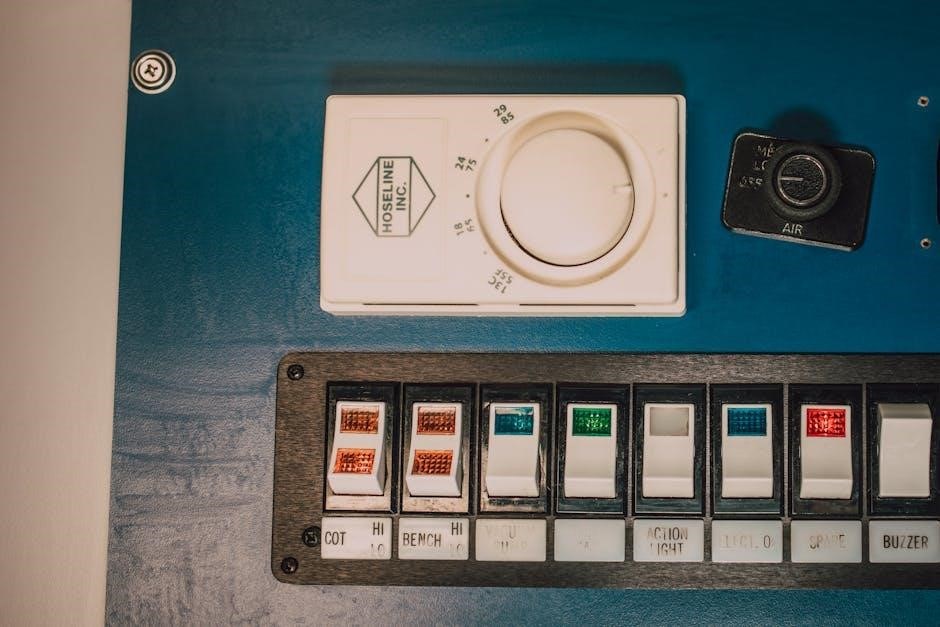
The pulsing nature of the tone differentiates it from other building sounds‚ immediately signaling a potential emergency. The specific tone pattern and volume are configurable during system programming. Proper functionality of the Tone-Alert is crucial for timely evacuation and response‚ working in concert with other alarm notification appliances.
Alarm Conditions and Responses
Alarm conditions trigger flashing LEDs‚ pulsing tone-alerts‚ and illuminated remote annunciators. The alphanumeric display clearly indicates the alarm’s presence.
Identifying Alarm Conditions
The Simplex 4100ES system employs multiple indicators to clearly signal alarm conditions. A crucial visual cue is the Fire Alarm LED‚ which initiates a distinct flashing pattern upon detection of a fire-related event. Simultaneously‚ the system activates a tone-alert‚ utilizing a piezo buzzer that emits audible pulses to alert personnel.
Furthermore‚ the system’s intelligence extends to remote annunciators‚ where corresponding LEDs illuminate to provide distributed alarm notification throughout a facility. Crucially‚ the alphanumeric display on the control panel itself provides a textual indication of the alarm condition‚ often specifying the zone or initiating device responsible. Recognizing these combined signals – visual‚ audible‚ and textual – is paramount for swift and effective response.
Responding to Fire Alarm Activation
Upon a fire alarm activation of the Simplex 4100ES‚ immediate and decisive action is critical. First‚ verify the alarm’s validity via the control panel’s alphanumeric display‚ noting the identified zone or initiating device. Activate the pre-established emergency evacuation plan‚ ensuring all occupants are promptly and safely evacuated from the affected area.
Notify the local fire department immediately‚ providing precise details regarding the alarm location and any observed conditions. Do not attempt to investigate the alarm yourself; allow trained professionals to assess the situation. The system’s flashing Fire Alarm LED and audible tone-alert are designed to facilitate rapid response and evacuation. Remember‚ prioritizing life safety is paramount during any fire alarm event.
Understanding Different Alarm Zones
The Simplex 4100ES system divides the protected premises into distinct alarm zones‚ enabling precise identification of a fire’s location. Each zone represents a specific area – a floor‚ wing‚ or critical compartment – and is individually monitored by the Fire Alarm Control Panel (FACP).
When an alarm activates‚ the alphanumeric display clearly indicates the zone in alarm‚ allowing for targeted evacuation and fire department response. Understanding the zone configuration is crucial for efficient emergency management. LEDs on remote annunciators may also illuminate‚ corresponding to the activated zone. Proper zone mapping and documentation are essential for effective system operation and maintenance‚ ensuring swift and accurate responses to fire events.
System Programming and Configuration
Accessing system programming modes allows customization of parameters. These settings control the 4100ES FACP’s operation‚ tailoring it to the specific building’s needs and requirements.
Accessing System Programming Modes
Entering programming mode on the Simplex 4100ES requires a specific key sequence‚ typically involving the use of access keys and the alphanumeric display. The exact procedure is detailed within the operator’s manual (Rev. 4) and is crucial for authorized personnel only.
Incorrect attempts to access programming can trigger security alerts or lock out access. Once in programming mode‚ the alphanumeric display will change to indicate the system is configurable. Navigation through the various programming options is usually achieved using the keypad and display prompts.
Remember to document all changes made during configuration to maintain a clear record of system settings. Always refer to the official Simplex documentation for the most accurate and up-to-date instructions.
Basic Programming Parameters
Essential programming parameters within the Simplex 4100ES include zone configurations‚ defining each area monitored for fire detection. Sensitivity adjustments for initiating devices – smoke and heat detectors – are also critical‚ balancing responsiveness with false alarm prevention.
Auxiliary output settings control connected building systems like fan shutdown and elevator recall. Communication settings establish connectivity with remote annunciators and central monitoring stations. Alarm delay timers can be adjusted to accommodate specific building needs and evacuation procedures.
Proper configuration of these parameters ensures reliable fire detection and a coordinated response. Always consult the operator’s manual (Rev. 4) before making any changes.
Troubleshooting Common Issues
Common problems include power supply failures‚ initiating device faults‚ and communication errors; addressing these promptly ensures system reliability and continued fire protection.
Power Supply Problems
Addressing power supply issues is critical for maintaining a functional fire alarm system. A primary concern involves verifying the AC power source to the 4100ES FACP‚ ensuring proper voltage and stable connection. If AC power is confirmed‚ investigate the battery backup system.
Check battery voltage and connections; low voltage or corroded terminals can prevent proper backup operation during power outages. A failing battery will often trigger a trouble signal. Inspect the power supply module itself for any visible signs of damage‚ such as blown fuses or burnt components.
Consult the system logs for specific error codes related to the power supply. If issues persist‚ professional servicing is recommended to avoid compromising the system’s reliability and life safety functions.

Initiating Device Faults
Troubleshooting initiating device faults – encompassing smoke detectors‚ heat detectors‚ and pull stations – requires a systematic approach. The Simplex 4100ES FACP will typically display a specific trouble code identifying the faulty device or zone. Begin by visually inspecting the device for physical damage or obstructions.
Verify wiring connections at both the device and the control panel‚ ensuring secure terminations and no signs of corrosion. For smoke detectors and heat detectors‚ check for dust accumulation or insect interference. A ground fault within the initiating circuit can also trigger a fault condition.
Utilize the panel’s diagnostic tools to isolate the specific device causing the trouble. If the fault persists‚ consider replacing the initiating device‚ documenting the change in the system’s maintenance logs.
Communication Errors
Addressing communication errors within the Simplex 4100ES system often involves examining the connections to remote annunciators or networked devices. The control panel will display a specific trouble code indicating the nature of the communication failure – potentially a loss of signal‚ data corruption‚ or a device timeout.
Inspect all wiring associated with the communication pathways‚ verifying proper termination and shielding. Check the power supply to any remote devices‚ ensuring adequate voltage. Confirm that the communication protocol settings (baud rate‚ parity) are correctly configured on both the panel and the remote device.
Review the system’s event log for patterns or recurring errors. If the issue persists‚ consult the system documentation or contact Simplex technical support for assistance.
Maintenance and Testing
Regular maintenance and functional testing are crucial for ensuring reliable operation of the Simplex 4100ES system‚ including battery backup checks;
Recommended Maintenance Schedule
A consistent maintenance schedule is vital for the Simplex 4100ES Fire Alarm Control Panel (FACP) to guarantee optimal performance and reliability. Monthly visual inspections should confirm the panel’s display is functioning correctly‚ and all LEDs are illuminated as expected. Semiannual checks necessitate verifying battery backup functionality and ensuring all connections are secure.
Annual comprehensive testing‚ performed by qualified personnel‚ must include full functional tests of all initiating devices – smoke detectors‚ heat detectors‚ and pull stations – alongside auxiliary equipment control. Records of all maintenance and testing activities should be meticulously maintained‚ documenting dates‚ findings‚ and any corrective actions taken. Adherence to NFPA 72 guidelines is strongly recommended for a robust and compliant maintenance program.
Functional Testing Procedures
Thorough functional testing of the Simplex 4100ES system is crucial for verifying its operational readiness. Initiate testing by activating each initiating device – smoke detectors (using canned smoke)‚ heat detectors (with a heat source)‚ and pull stations – individually‚ observing the panel’s response. Confirm the alphanumeric display accurately reflects the alarm condition and that the appropriate LEDs illuminate‚ including those on remote annunciators.
Verify the tone-alert (piezo buzzer) activates during alarm conditions. Test auxiliary equipment control‚ ensuring fan dampers and relays operate as programmed. Document all test results‚ noting any discrepancies or failures. Reset the system after each test and restore normal operation. Qualified personnel should perform these tests‚ adhering to NFPA 72 standards for comprehensive fire alarm system verification.
Battery Backup System Checks
Regular checks of the Simplex 4100ES battery backup system are vital for ensuring uninterrupted operation during power outages. Visually inspect batteries for any signs of corrosion‚ leakage‚ or physical damage. Utilize a multimeter to measure the voltage of each battery individually‚ confirming it falls within the manufacturer’s specified range. Perform a load test to assess the batteries’ ability to supply power under simulated outage conditions.
Document all voltage readings and load test results. A fully charged and functional battery backup system should power the entire 4100ES FACP and connected devices for the duration specified by local codes. Replace any batteries that fail to meet performance criteria. Schedule these checks as part of the recommended maintenance schedule to maintain system reliability.
Documentation and Resources
Operators Manual (Rev. 4) is available‚ alongside downloadable manuals and documents. Fire Alarm Resources provides free PDF manuals and installation instructions for the 4100ES.
Availability of Operators Manual (Rev. 4)
The Simplex 4100ES Fire Alarm System Operators Manual‚ Revision 4‚ serves as the primary resource for understanding and maintaining this critical life safety system. This comprehensive document details all aspects of operation‚ from initial system startup and normal operation to responding to alarm conditions and performing routine maintenance.
It is readily accessible through various channels to ensure technicians‚ facility managers‚ and emergency personnel have immediate access to vital information. Digital copies are frequently available for download from the manufacturer’s website and specialized fire alarm resource websites like Fire Alarm Resources.
Physical copies may be obtained directly from SimplexGrinnell distributors or through authorized service providers. Ensuring access to the latest revision (Rev. 4) is crucial‚ as it reflects the most current system features and safety protocols.
Downloading Manuals and Documents
Obtaining the necessary documentation for the Simplex 4100ES Fire Alarm System is streamlined through several online resources. Fire Alarm Resources is a prominent platform offering free PDF downloads of manuals‚ including the Simplex 4100 Fire Indicator Panel Operators Manual. These digital resources provide convenient access to installation instructions‚ troubleshooting guides‚ and operational procedures.
Additionally‚ the official SimplexGrinnell website often hosts a library of downloadable documents for their products. Searching specifically for “Simplex 4100ES Manual” or “4100ES Operators Manual” will yield relevant results.
Ensure the downloaded files are from reputable sources to guarantee accuracy and completeness. Regularly check for updated revisions to maintain the most current information regarding system functionality and safety standards.
Fire Alarm Resources Websites
Several websites specialize in providing fire alarm documentation and support‚ proving invaluable for Simplex 4100ES system owners and technicians. Fire Alarm Resources (firealarmresources.com) is a key destination‚ offering a comprehensive collection of free PDF manuals‚ including the Simplex 4100 Fire Indicator Panel Operators Manual. This site simplifies access to crucial information for installation‚ operation‚ and maintenance.
While official SimplexGrinnell documentation is often available through their website‚ third-party resources like these can supplement and broaden your understanding. Always verify the document’s revision date to ensure it aligns with your system’s configuration.
Exploring these resources can significantly aid in troubleshooting and maintaining the 4100ES system effectively.